 Tech News
The Old Indie Hacking Playbook Is Broken
AI, market saturation, and VC-backed freemium products have killed the 'build first, market later' model. Here's what actually works now.
The game has been completely reset. If you've been following the indie hacking world for any length of time, you've probably felt it — something is fundamentally different. Products that would have found traction two or three years ago are launching to silence. The classic 'building in public' playbook isn't delivering the same results. And it's not bad luck. The rules have genuinely changed.
Understanding why the old model broke — and what replaced it — is the difference between spinning your wheels indefinitely and actually building something that sells.
The Old Way: Build First, Figure It Out Later
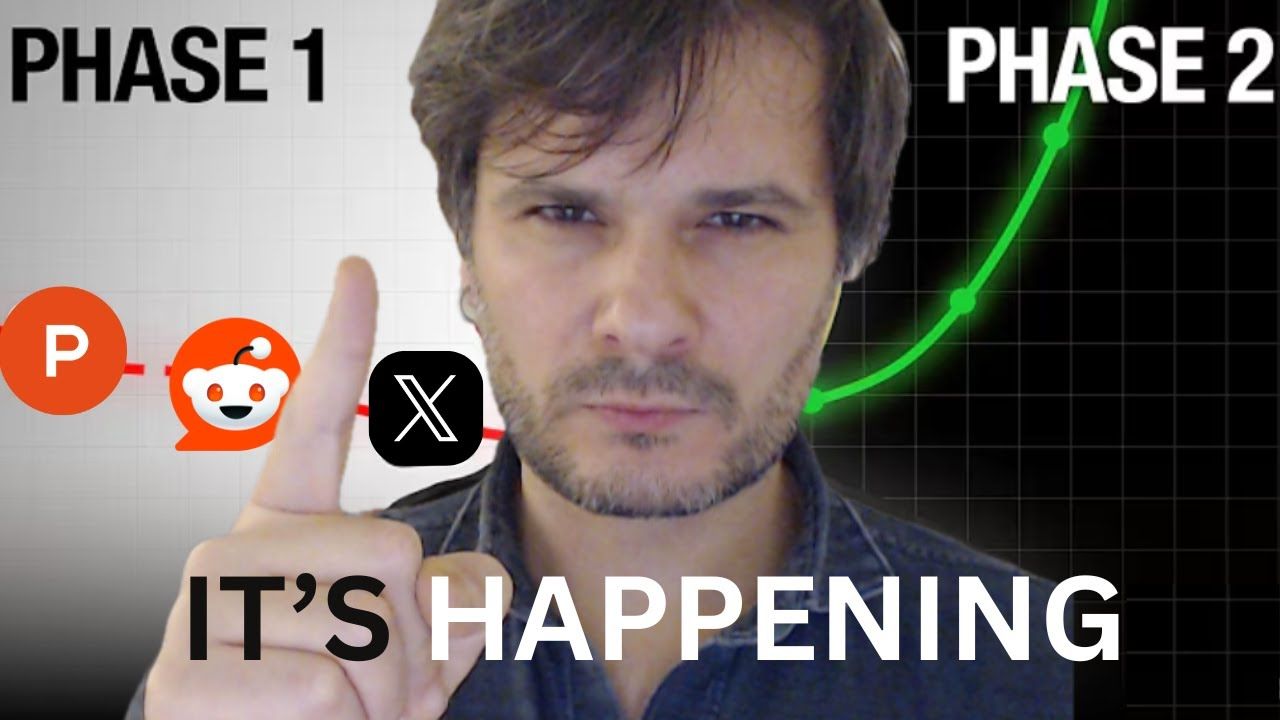
The traditional indie hacker path was straightforward. You spotted a problem, you built a solution, and then you went hunting for customers. You'd post on X (formerly Twitter), drop a link on Reddit, maybe submit to Product Hunt, and hope the community rallied around you. It was simple, it was scrappy, and for a while, it worked.
But that era is over. And it ended for three very specific reasons.
Why the Old Model Is Dead: 3 Reasons
Reason 1 — AI obliterated the barrier to entry. People now need roughly 50% fewer technical skills to ship a working product. That sounds like good news, and in some ways it is. But the flip side is that your competition just multiplied dramatically overnight. Every person who previously couldn't build is now building. The market went from competitive to flooded almost instantly.
Reason 2 — The market is saturated with the same ideas. Scroll through any indie hacking community today and count the boilerplate starters, the traffic analysis dashboards, the AI wrapper tools. Everyone is building the same things for the same audience — other indie hackers. When a niche becomes its own product market, you've already lost the edge. You're one of a hundred nearly identical options, and there's no reason for anyone to specifically choose yours.
Reason 3 — VC-backed startups are giving away what you're trying to charge for. Well-funded companies are offering free plans that include the exact features solopreneurs are trying to monetize. Competing on price or features against a company with millions in the bank is a losing game. You simply cannot win that fight as a solo builder with limited resources.
These three forces together have made the 'build first, market later' approach almost entirely ineffective. It's not that people are building worse products — it's that the environment they're launching into has fundamentally changed.
The New Model: Audience First, Product Second
The indie hackers who are winning today flipped the process completely. They build an audience before they build a product. That single reversal changes everything.
Here's how the new model works in practice. First, you pick one specific niche and one specific audience, and you create content for them consistently. Not broad 'productivity tips' content. Not general startup advice. Deep, specific, genuinely useful content for a narrow group of people who care intensely about a particular thing. Second, you get close enough to that audience that you genuinely understand their real problems — not assumed problems, not 'daydreaming problems' as the video puts it, but the actual painful friction points they deal with every day. Then, and only then, do you build software that solves exactly those problems.
The audience comes first. The code comes second.
Your Audience Is Your Marketing Engine
Marketing has always been the hardest part of indie hacking. Most technical founders would rather build for a hundred more hours than spend one hour on distribution. But when you build an audience first, marketing stops being a separate exhausting problem you have to solve after launch — it's already built in.
Without an audience, you're guessing. You're assuming a problem is real, assuming people will pay for a solution, and assuming you can find them once you've built it. That's three assumptions stacked on top of each other, and any one of them being wrong kills the product.
With an audience, all three of those problems dissolve. You can validate ideas with real early adopters before writing a single line of code. You can drive traffic to a landing page on day one. And when it's time to sell, you're not cold emailing strangers or spamming subreddits — you're talking to people who already trust you and already want to hear from you.
That's an enormous structural advantage. And it compounds. Every piece of content you publish makes the next product launch easier.
How to Find Your Niche and Unfair Advantage
This is where most people get stuck. They hear 'pick a niche' and immediately try to calculate which niche is most profitable or least competitive. That's the wrong starting point.
Your biggest unfair advantage is you — your specific combination of skills, experiences, and genuine interests. Nobody can replicate your story. Nobody has your exact background. That uniqueness is worth more than any market research spreadsheet.
Create content about something you actually care about. It doesn't have to be software or startups. It could be trading cards, a specific corner of digital marketing, competitive video games, niche fitness, local real estate — anything where you have real knowledge and genuine enthusiasm. Go deep instead of wide. Depth is what builds trust, and trust is what builds an audience that actually follows you because they want to, not because an algorithm forced your content into their feed.
Here's the part that makes this especially powerful for builders specifically: content creators in any niche can offer courses or community access. But you can build software. That's a meaningful edge most creators in non-tech niches simply don't have. If you've spent years in a particular industry and you also know how to ship a SaaS product, you're in a category of one. Your audience sees you as an expert in their world, and you can offer them something that nobody else in that world can build.
The video makes this point clearly — your personal experience gives you an unfair advantage precisely because it's unreplicable. Lean into that instead of chasing whatever the indie hacking Twitter community is excited about this week.
The Safety Net Nobody Talks About
One of the most underrated benefits of building an audience first is what happens when a product fails — and some products will fail. That's just the reality of building things.
If you launch without an audience and the product doesn't work, you're starting from zero again. New idea, new build, new attempt to find customers from scratch. It's exhausting and demoralizing.
But if you have an audience, a failed product isn't a dead end. The audience is still there. You can listen, learn, iterate, and launch something new to the same group of people who already trust you. You build the next product, and the next one, until something sticks. The audience is the durable asset. Individual products are just attempts.
Look at what Peter Levels and Marc Lou have built. Neither of them is necessarily shipping the most technically impressive products in their categories. But they've cultivated massive, loyal audiences — and because of that, they can successfully launch almost anything. The audience does the work that most founders spend years trying to figure out. That's the power of getting distribution right before you get the product right.
Takeaways
Indie hacking isn't dead. But the version of it that worked five years ago is. The new era rewards people who think like media builders first and software builders second.
Start with a niche you genuinely understand. Create content that goes deep, not wide. Build trust with a specific audience before you ask them to open their wallets. And when you do build software, build it for people who already know you, already trust you, and already want what you have to offer.
The builders who figure this out early are going to have an almost unfair advantage over everyone still trying to cold-launch products into a saturated market. The game changed. Might as well play the new one.
Original video
https://www.youtube.com/watch?v=QrJ5GWCnRIE