 Story
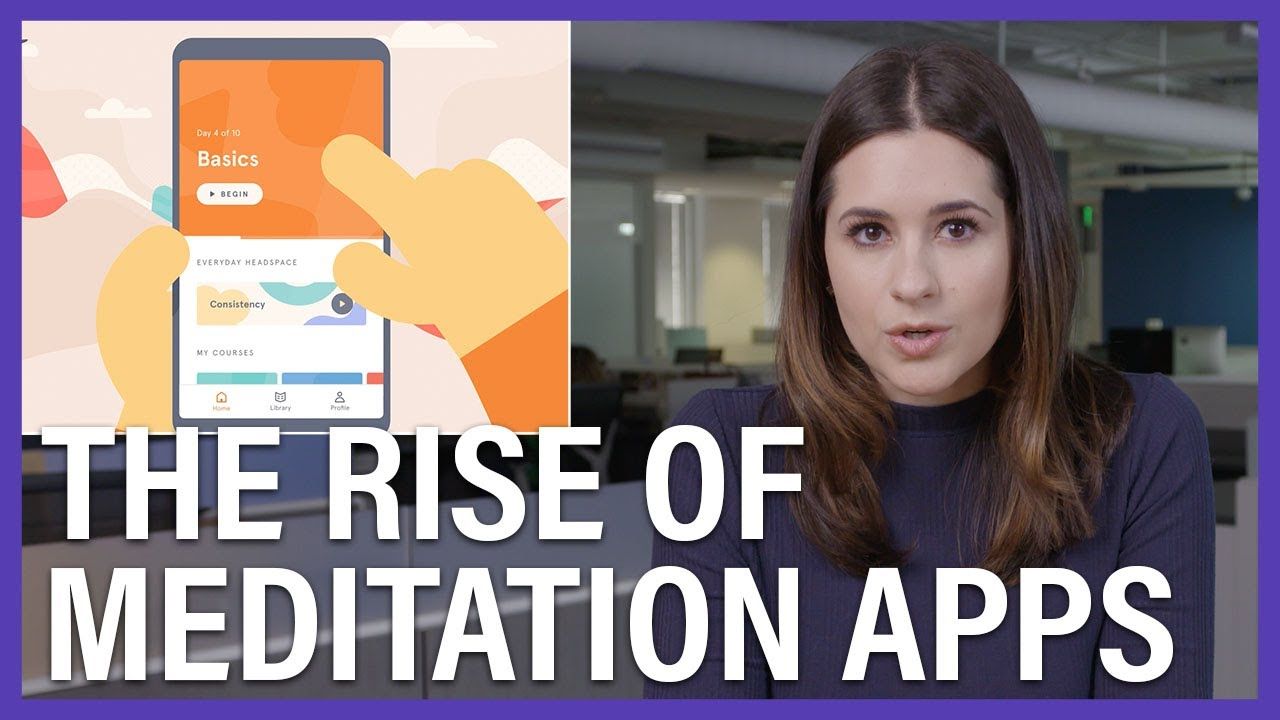
StoryThe Booming Business of Meditation Apps
Meditation apps like Calm and Headspace are now worth billions — but do they actually work? Here's what the data, the experts, and the cultural debate really say.
Meditation is one of the oldest practices in human history, rooted in religious and spiritual traditions across Asia spanning thousands of years. Today, it's also a multi-billion dollar industry built on push notifications, celebrity voiceovers, and monthly subscription fees. That tension — ancient practice meets Silicon Valley hustle — is worth unpacking.
The Numbers Are Wild
Let's start with the scale of this thing. Calm, the app famous for roping in celebrities like Matthew McConaughey and LeBron James to narrate sleep stories and breathing exercises, was valued at $2 billion in 2020. Its main rival, Headspace, merged with online mental health platform Ginger to form a combined company worth $3 billion. These aren't niche wellness startups anymore — they're major players in the broader mental health economy.
And the demand driving those valuations is real. A CDC report found that in 2017, 14.2% of American adults used meditation — up from just 4.1% in 2012. That's a threefold increase in five years, and it happened *before* the pandemic turned everyone's mental health upside down. Then COVID hit, and the numbers accelerated further. Data from the KFF in March 2022 showed that nearly a third of all American adults — 31.5% — reported symptoms of anxiety or depressive disorder. People were looking for help wherever they could find it, and these apps were right there on the App Store, ready to download.
What a Licensed Counselor Actually Sees
Dr. Joanne Frederick, a Licensed Professional Counselor, has watched her clients use meditation as part of their mental health toolkit, and she's seen genuine results. She notes that it helps calm anxieties and — maybe more importantly — gives people a sense of control over their anxious feelings. That sense of agency matters a lot when anxiety is, by definition, something that feels out of control.
Beyond just calming the nerves in the moment, Dr. Frederick points out that consistent meditation practice helps with better problem-solving, supports people in de-escalating after stressful situations, and can even improve relationships with friends, family, and coworkers. That's a meaningful list. It's not a cure, but it's not nothing either.
'Better Than Nothing' — And That's Not an Insult
Dr. Stephen Schueller, a professor at UC Irvine, frames the utility of meditation apps in a way that's both honest and important. He acknowledges that the research on specific apps isn't extensive, but what exists suggests they *can* be helpful — particularly when the real question isn't "app vs. therapy" but "app vs. nothing."
For millions of people, professional mental health care is either too expensive, too inaccessible, or both. In that context, an app that produces "consistent but small to moderate benefits" in mental health outcomes is genuinely valuable. Dr. Schueller's point is that digital tools have the potential to scale in a way that therapists and counselors simply cannot. If an app gives someone a baseline level of support they would otherwise never have received, that's a net positive — even if it's not the whole solution.
The nuance here is worth sitting with: small to moderate benefits aren't the same as transformational change. These apps work best as a complement to other forms of care, not as a replacement.
Meditation Is Actually Hard
Here's the part that tends to get lost in the marketing materials. Arundhati Baitmangalkar, a yoga studio owner and teacher, offers a reality check that anyone who has actually tried to meditate will recognize immediately.
Opening an app for five minutes when you're stressed out is not the same as meditating. She describes what most beginners actually experience: your mind is still swirling, your body isn't conditioned to be still, and the whole thing feels deeply uncomfortable rather than peaceful. The expectation is bliss. The reality is that closing your eyes forces you to confront how troubled and busy your mind really is. That's not a failure of the practice — it *is* the practice. But it's a confrontation that a lot of people aren't prepared for, and it's why so many people open an app a few times and quietly give up.
This doesn't mean apps are useless. It means that getting real benefits from meditation requires consistent effort, patience, and the willingness to sit with discomfort — things that a beautifully designed app can guide you toward, but can't do for you.
The Cultural Appropriation Problem
This is where the conversation gets more complicated, and it deserves to be taken seriously.
Meditation is a traditional religious practice with deep roots in Asian cultures and communities. The most successful apps monetizing it — Calm and Headspace — are American or European companies, founded by white men. Yoga teacher Susanna Barkataki puts the issue plainly: many of these commercial ventures fail to acknowledge the traditions they come from or give anything back to the source communities that developed and preserved these practices over centuries.
This isn't just abstract hand-wringing. When a practice is stripped of its cultural and spiritual context, commercialized, and sold back to consumers as a productivity hack or a stress-relief tool, something real is lost — both for the practitioners who inherit these traditions and for the people using the apps who may never understand the depth of what they're engaging with. The wellness industry has had this conversation around yoga for years, and it's now happening with meditation too.
There's no simple resolution here, but acknowledging the problem is the starting point. Companies profiting from these traditions have a genuine responsibility to credit their origins, support source communities, and resist reducing a rich spiritual lineage to a sleep timer and a breathing exercise.
The Corporate Wellness Angle
One more wrinkle: employers are increasingly offering meditation apps as an employee mental health benefit. On the surface, that sounds great. In practice, it can be a way for companies to appear invested in employee wellbeing while avoiding the harder, more expensive work — like increasing paid time off, reducing workloads, or addressing the structural causes of workplace stress in the first place.
An app subscription is a much cheaper line item than meaningful policy change. That doesn't make the apps themselves bad, but it does mean we should be clear-eyed about what they can and can't do. A ten-minute guided meditation doesn't fix a toxic culture. It just makes it slightly more bearable.
Takeaways
The meditation app industry is real, it's growing, and it's meeting a genuine need. The data on mental health struggles in America is stark, and for people who can't access professional care, tools like Calm and Headspace can provide meaningful — if modest — support. But they're not a substitute for real treatment, they don't work without consistent effort, and the companies behind them are operating in cultural territory they need to navigate with a lot more care and humility than they often do.
Meditation itself? Still worth exploring. Just go in with honest expectations — and maybe look up where it actually came from.
Original video
https://www.youtube.com/watch?v=B4JkjqGtKQg